
Floor Preparation in Hobart
High-quality flooring and design services tailored to suit any residential or commercial space.
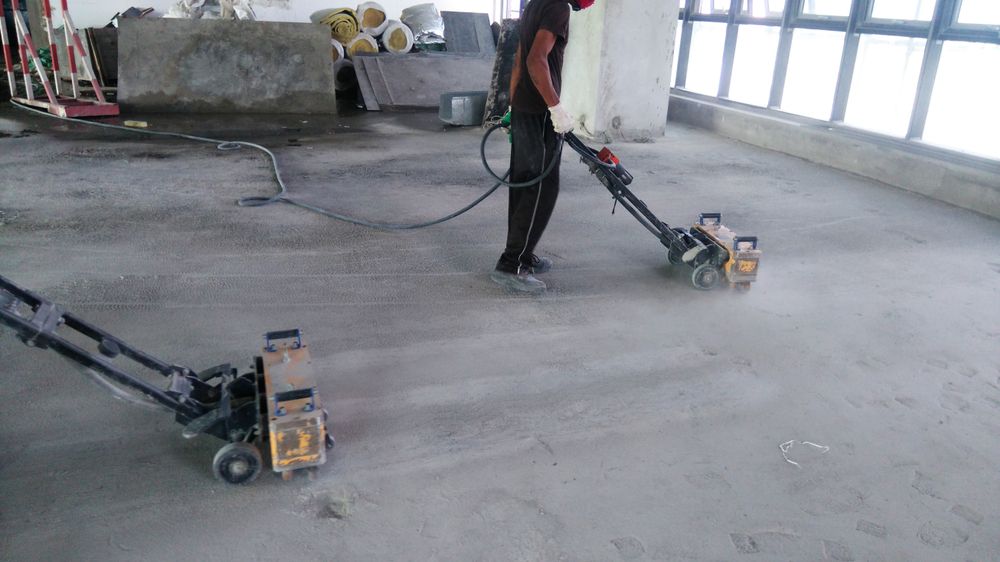
What’s Hiding Underneath?
Floors that creak near doorways, boards that separate in winter and vinyl that starts lifting at the corners often trace back to what’s underneath, not the flooring itself. Around Hobart and Kingston, we regularly prepare subfloors before new installations so the finished surface sits flatter, feels sturdier and lasts properly over time.
Our team uses modern grinding and levelling equipment in our floor preparation to create smoother, more stable surfaces for timber, vinyl, laminate and hybrid flooring installations. We also carry out moisture testing where needed, particularly in older Tasmanian homes where subfloor conditions can vary widely.
With more than 25 years of flooring experience behind us, we know how important proper preparation is to the final result. Call us on (03) 6228 2880 and ask for a quote.
Uneven Floors Show Quickly
Even small imperfections underneath a floor can become obvious once new flooring is installed. Raised joins, movement underfoot and visible ridges are often linked to poor preparation rather than the flooring product itself. That’s why floor preparation plays such a major role in both appearance and long-term durability.
At Unique Floors, we assess every property individually because older homes, renovations and commercial sites all bring different challenges. Our preparation work may involve grinding, levelling, adhesive removal or moisture management depending on the condition of the surface. By creating a cleaner, flatter base before installation begins, we help flooring products sit properly, wear more evenly and last longer in busy homes and workplaces across Hobart.
Moisture Control
Smooth Finishes
Stable Surfaces
Reach Out Today
Prepare your floors properly before installation and create a stronger foundation for long-lasting results throughout your Hobart property.
Contact Us
Thank you for contacting Unique Floors.
We will get back to you as soon as possible.
Oops, there was an error sending your message.
Please try again later.
FAQ
Can old tile adhesive affect new flooring?
Old tile adhesive can create major problems if it’s left underneath newly installed flooring. Thick adhesive residue often causes uneven surfaces, which may lead to visible bumps, poor board alignment or hollow areas under the floor.
Certain adhesives can also react with modern flooring products or interfere with the bonding process during installation. In older homes, adhesive materials may become brittle over time and weaken the stability of the new floor above. Proper grinding or removal helps create a smoother, more consistent surface before installation begins.
Assessing the condition of existing adhesives is an important step during renovation projects involving older tiled areas.
Is floor levelling always necessary?
Floor levelling is not required for every project, though many surfaces contain small imperfections that benefit from correction before installation begins.
Uneven subfloors can affect floating floors, glued products and large-format flooring materials differently depending on the severity of the issue. Even slight dips or ridges may become noticeable once new flooring is installed, particularly in open-plan spaces with natural light.
Levelling compounds are commonly used to smooth low areas and improve consistency across the surface. Assessing the floor beforehand helps determine if levelling is necessary or if smaller preparation methods will provide enough stability for the chosen flooring product.
Can floor preparation reduce noise under flooring?
Floor preparation can help reduce movement and noise under flooring, particularly in upper-storey rooms and open-plan homes. Uneven surfaces often create small gaps beneath boards, which may lead to creaking, flexing or hollow sounds when walked on.
Preparing the subfloor properly allows underlays and flooring products to sit more evenly across the surface. In apartments and commercial spaces, this can make a noticeable difference to everyday comfort and sound transfer between rooms.
The type of flooring selected also affects noise levels, though preparation remains an important first step. Stable subfloors generally help flooring feel firmer, quieter and more consistent underfoot after installation.



